


Yelapa is a small fishing village in the foothills of the Sierra Madre, about 45 minutes south of Puerto Vallarta and 25 minutes from Boca de Tomatlán. There's no road in from the city, so most visitors arrive by water…
Read more


Quick links
13.05.2019
With 48 hours in Mexico City, give one day to the museums and the Centro Histórico, and the other to Coyoacán, Roma and Condesa, or to the pyramids at Teotihuacan. Most of the big museums close on Mondays, so plan around that. In between, eat street tacos, stop for a nieve and finish with mezcal.
Last checked: 24 October 2026
Mexico uses Type A and B sockets, the same as the USA, on a 120 V or 127 V supply at 60 Hz. Our Mexico plug guide has the details, and our guide to travel adaptors explained covers voltage and earthing.
From the UK, the World to America (USA) Travel Adaptor – Earthed takes plugs from over 150 countries and works with earthed and non-earthed appliances. It doesn’t take Schuko plugs, so if you’re coming from mainland Europe, use the Europe (2 Pin) to America (USA) Travel Adaptor – Earthed, which accepts Schuko, CEE 7/7 and Europlug Type C plugs. Both have a three-pin US plug, so they need a three-hole Type B socket, not a two-slot Type A one. Neither converts voltage, so check the INPUT line on each charger first.
You can’t see them all in two days. Pick two that suit you and leave time to look at the buildings as well.
The museum is the Casa Azul, the Blue House in Coyoacán. Frida Kahlo’s father built it in 1904, the family moved in that year, and she was born in Coyoacán in 1907. It’s closed on Mondays. Buy your ticket from the museum’s official ticket site before you go, rather than planning to turn up.
This is the big one. It has 22 permanent halls. The ground floor covers the ancient cultures of Mexico, from the first settlers of the Americas to the Mexica, and the upper floor has 11 halls on the Indigenous peoples who live in Mexico today. It opens Tuesday to Sunday, so don’t plan it for a Monday.
The building is as much of a reason to go as the collection. Work on the castle began in 1785, and the museum tells Mexico’s history from the conquest of Tenochtitlan in 1521 to the Revolution. You can also walk through rooms set out as they were for the Emperor Maximilian and Carlota. It’s open Tuesday to Sunday.
INAH runs both museums. Check its official ticket site for online tickets before you go.
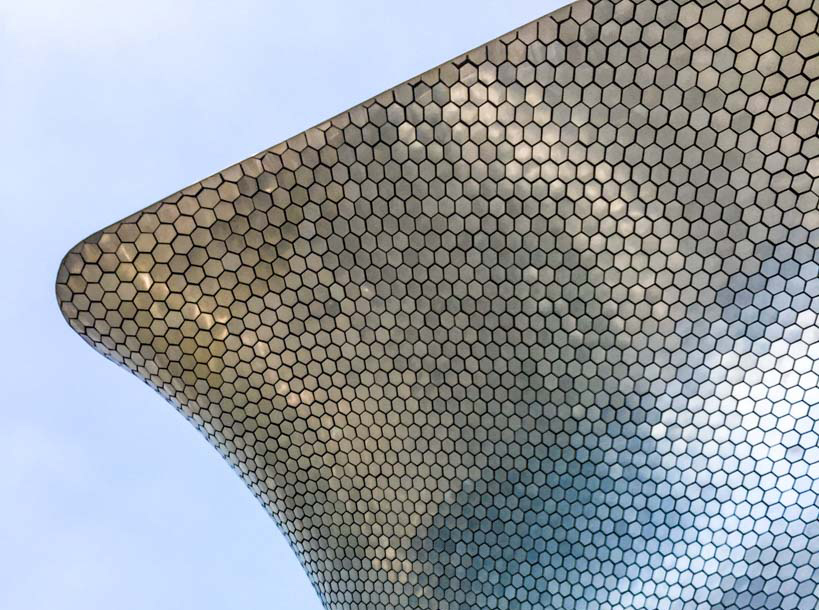
Go for the building first: the curved, tiled shell at Plaza Carso makes a striking photo. Inside is the art collection of the Fundación Carlos Slim. The Plaza Carso site opens every day.
Parts of Mexico City are very pleasant on foot, and three neighbourhoods are good for an afternoon of coffee and wandering.
Roma is the young, arty one, with street art, clothes shops, record shops and cafés. Condesa, next door, is leafier and quieter, with good restaurants and Parque México in the middle. Coyoacán, in the south, has cobbled streets, colourful houses and public squares, and it’s where you’ll find the Casa Azul.
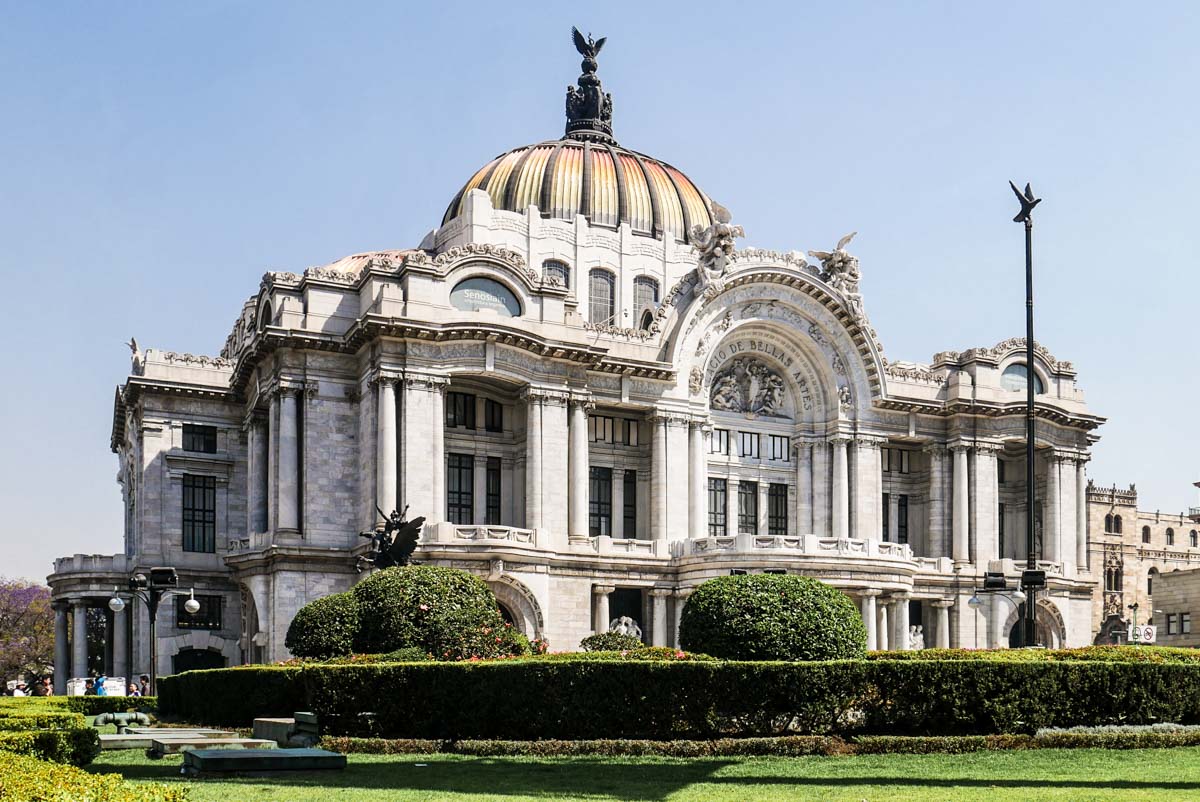
This is the oldest part of the city. Start in the Zócalo, the main square, which has the Metropolitan Cathedral and the Palacio Nacional on its sides. A short walk away, at Seminario 8, is the Templo Mayor museum, at the site of the main Mexica temple. Like the other INAH museums, it opens Tuesday to Sunday.
Walk on to the Palacio de Bellas Artes. Even if you don’t go in, the outside is worth seeing. Across the road is the Torre Latinoamericana, which has an observation deck and the Miralto restaurant more than 120 m up. On a hazy day you won’t see far, so save it for a clear one.
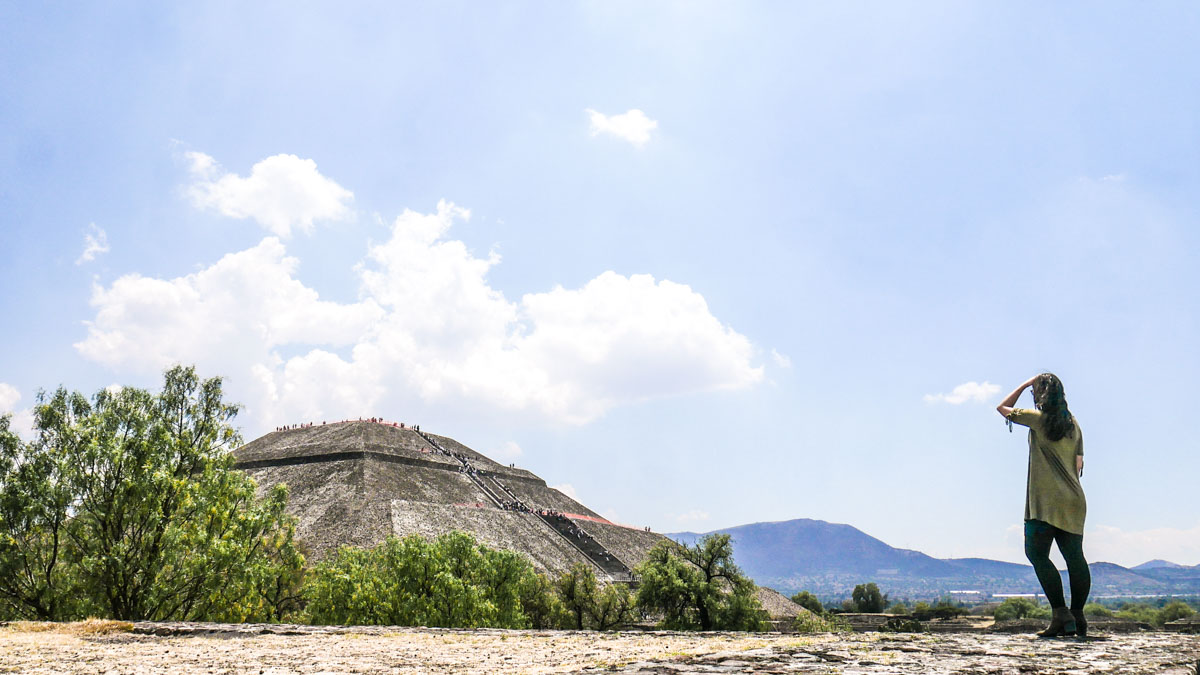
A trip out of town sounds too much for a short stay, but Teotihuacan is close enough to fit in. INAH describes it as one of the largest cities of the ancient world, with more than 100,000 people at its height. The site is reached by road from the city on the México to Pachuca motorway. It opens every day from 8:00, with last entry at 16:30, so go early and leave the afternoon for the city.
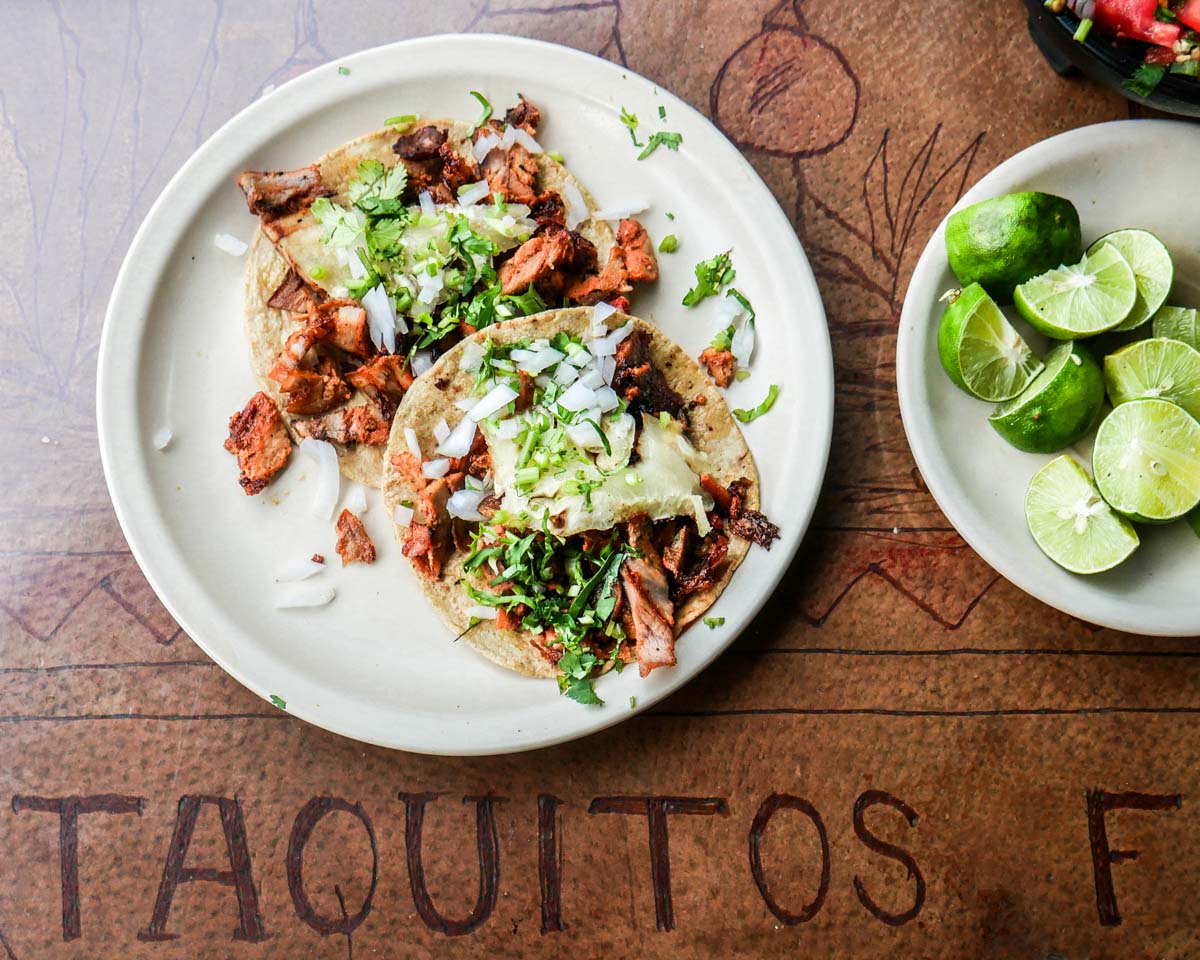
Tacos are everywhere in Mexico City, and you’ll find stands in every neighbourhood cooking al pastor, arrachera (steak) and chorizo. Pick the busy ones. A queue means the food is fresh and turning over quickly.
A classic breakfast: fried tortilla pieces in salsa, topped with crema, cheese and either egg or chicken. Have it with a fresh juice or a coffee.
A traditional soup served with toppings you add yourself, such as tostadas, cabbage, radish, lime, crema and avocado.
For a cold treat between sights in the Centro Histórico, look for Nieves 100% Artesanales, a small shop you’ll recognise by the colourful graffiti on its wall. It makes nieves, a Mexican ice similar to sorbet.
The flavours change from day to day. Lemon and mango are regulars, and you’ll find seasonal ones next to them; mezcal and cherry have both been on offer. You pick from the flavours on display in stainless steel tubs.
Nieves 100% Artesanales on Google Maps
Mezcal is an agave spirit, like tequila, but it tastes quite different. Much of it is made in small batches, so two glasses from different producers can taste nothing alike, which makes a tasting fun.
If sipping it straight is too much, have a mezcal cocktail instead. The rooftop terrace at the Condesa DF hotel looks out over Parque España towards Chapultepec Castle.
For something without alcohol, try aguas frescas. These are flavoured waters. Lime, hibiscus and horchata (a rice drink) are the usual ones, and street stands and traditional restaurants sell many more.
The Metro and the busy streets of the Centro Histórico get crowded, so keep your passport and cards under your clothes rather than in a back pocket. The Security Shoulder Holster Wallet – Black has two large zipped compartments and is worn over the shoulder, under a shirt or jacket.
Based on a guest post by Susan Ripley of Brooklyn Tropicali.
All checked on 24 October 2026.


We use cookies in order to provide you with the best online experience. By continuing to use our site you are agreeing to our cookies policy.