


Reducing food waste isn’t just good for the planet—it’s great for your wallet too! With just a few small changes, you can cut down on the amount of food you throw away, save money, and feel good about making…
Read more


Quick links
14.11.2019
Tel Aviv is often mistakenly thought of as the capital of Israel. It may not be the official capital, but it is the younger, hipster sister of the historical, holy, and serious official capital Jerusalem.
On paper, 48 hours in Tel Aviv may seem like a lot for such a small city (51.5 sq km), but you’ll be surprised how much this lively city on the Mediterranean has to offer.
Israeli sockets differ from UK ones, so pack a World to Israel Travel Adaptor, which lets travellers from over 150 countries use earthed or non-earthed appliances in Israel.
Morning walk and breakfast on the beach:
A visit to one of Tel Aviv’s beaches is a must! With a beautiful promenade, covering the entire beach strip, starting from Jaffa in the south and going north as far as Herzliya (the neighbouring city from the north). The Promenade offers great waterside coffee places and restaurants:
Cassis Coffee Bar & Restaurant located on the waterfront at the spectacular beach of Givat Aliya in Jaffa is a great place to start your day in a relaxed Mediterranean atmosphere. Another great option, more to the north is Yulia, located in the lively, beautifully renovated harbour of Tel Aviv.
If you prefer grabbing some breakfast on the go, pay a visit to the Harbour Market or “Shuk Hanamal” in Hebrew. This indoor farmers market at the Tel Aviv Harbour opens at 9am daily (7am Friday), and has some great food options for everyone. We especially recommend visiting the “Lehamim Bakery” stand, for some wonderful pastries and breads.

Market and street food:
Tel Aviv is considered a world-class culinary centre. With a great variety of restaurants offering local cuisine and kitchens using local, fresh, typical products, creating unique dishes, you will never go hungry in this city that never sleeps. Start by taking a walk through the rich, colourful Hacarmel Market, located in the heart of the city – the market offers more than just fresh produce – it has become a centre of street food with a variety of options: Kalboni Hummus offers classic Israeli dishes; 25M is a small high-quality Argentinian style meat restaurant; “Haturki” (the Turkish) serves great Bourek, drawing crowds from all around the city.
Not too far out of the market, you can find the “Malabia”- a small place serving “Malabi”, the oriental version of panna cotta, served with different syrups and toppings. If you’re looking for a different treat there are two Italian gelato places just around the corner from the market: De L’arte, on Nachalat Binyamin street, offers Italian ice cream and different granitas locally made by an Italian couple; Stefan Gelato, on the nearby Tchernikhovski st. is an ice-cream place owned by Stefan, an Austrian who studied the art of Gelato making in Italy and gives ice cream its Austrian twist with fresh Strudel and Sacher torte flavoured ice cream.
On the same street, you can also find “Sabich Tchernikhovski“, a local institution serving the Israeli-Iraqi delight Sabich, made of fresh fried eggplants, hard-boiled eggs, tahini and potatoes all stuffed into a fresh pita bread.
The Old City of Jaffa:
The old city of Jaffa is a mandatory stop when visiting Tel Aviv. The beautiful old streets with historic stone buildings, mosques and churches, will send you back in time to when Jaffa was a lively port on the east of the Mediterranean. The old Jaffa Port was recently renovated and it is a great spot to spend a few hours when visiting Tel Aviv. Great restaurants, boutiques and art galleries can be found on the beach front line.
Spend a good few hours at the lively Flea Market (“Shuk Hapishpeshim”), where you can find vintage items, new and second-hand clothing and some great ceramics, fashion and jewellery designer boutiques.
Right at the entrance to Jaffa, a new emerging neighbourhood should not be missed – Noga Neighbourhood is the newest place for everything from art galleries, to fashion boutiques to the best coffee place in Tel Aviv – Cafelix. Stop for a rest at The Drisco Hotel, located just five minutes away – it resides within an iconic building dating back to 1866, built over 40 years prior to the establishment of Tel Aviv in what was formerly the first and most prestigious hotel outside the former gates of Jaffa. Today it is a five-star luxury hotel, but you are welcome to come inside and take a look.

Shopping in the White City:
Tel Aviv may not be the cheapest place to go on a shopping spree, but it does offer some great city centre shopping options. The most popular mall in the city is the Dizengoff Center. We may refer to it as a mall but locals will tell you the “Center” is no ordinary mall. Although the building has a very 80’s look to it, it manages to keep an indoor street vibe. Every Thursday and Friday the Dizengoff Center has an indoor food market, offering a variety of food stands and a local designers’ market with some beautifully made clothes and accessories.
Another great place to shop is the old neighbourhood of Neve Tzedek – this area also combines old and new, historical pieces next to contemporary galleries with shopping options from local and international brands.
Night Life:
Tel Aviv isn’t called “The city that doesn’t sleep” for nothing. There’s always something to do, at any time of the day or night. Restaurants and bars in Tel Aviv are packed with people every night on the calendar. For some great drinks visit the Jasper Jones or the Bellboy bar, known for its 50’s atmosphere and some highly creative drinks and dishes.
Ra’amses Restaurant at the Greek Market offers a wonderful combination of food, drinks and people watching.
If a night on the dance floor is what you’re into, then The Block and the Bootleg are what you’re looking for. These dance clubs offer some great all-night parties with some great lines and sets to choose from. The Kuli Alma is another night club you can enjoy and on weekdays it is also a pub & modern art gallery with a great selection of art exhibitions.
You can take the train from Ben Gurion Airport straight into Tel Aviv (Israel Railways). For buses, plan your route with Google Maps or Moovit.
Drivers don’t take cash, so sort out how you’ll pay before you get on the bus. The usual way is a Rav-Kav, a rechargeable travel card that works much like London’s Oyster card. Getting one takes a little effort, but topping it up afterwards is easy.
For taxis, a ride app such as Gett saves you looking for a cab. If you hail one in the street, check how you can pay before you set off. The city also has shared bikes and e-scooters for short trips.
Israel’s working week runs from Sunday to Thursday. On Friday, shops and public transport run until the afternoon. After that, most public transport and many businesses stop until Saturday evening, when things reopen after sunset. Restaurants and some convenience stores stay open, but plan any travel outside the city around the weekend.
Most places take credit cards, though not all take American Express. Keep some cash on you anyway. In restaurants the usual tip is 10 to 15% of the bill, more if the service was very good, and you can normally add it to your card payment. You don’t need to tip taxi drivers.
Tel Aviv has about 14 km of coastline, and some beaches have a particular use. There’s a beach for dogs, an accessible beach, a beach with separate days for men and women (check which days apply to you before you go) and an unofficial gay beach. Most beaches have their own café or restaurant. Take sunscreen.
Tel Aviv is known as a very LGBTQ-friendly city, with a large and open gay scene. The city’s LGBTQ community centre is in Meir Park (see below).

Photo by yoav hornung on Unsplash
Nights start late. Bars and clubs don’t fill up much before 11 pm, especially at the weekend, and Thursday nights are packed, so book ahead if you can. One way to pace it: go for an early drink at around 6 or 7 pm, rest for a couple of hours, then head out again.
An Israeli breakfast is a proper meal: eggs (try shakshuka), salad, bread, pastries, spreads, coffee and juice. Vegetarians and vegans have a lot of choice across the city.
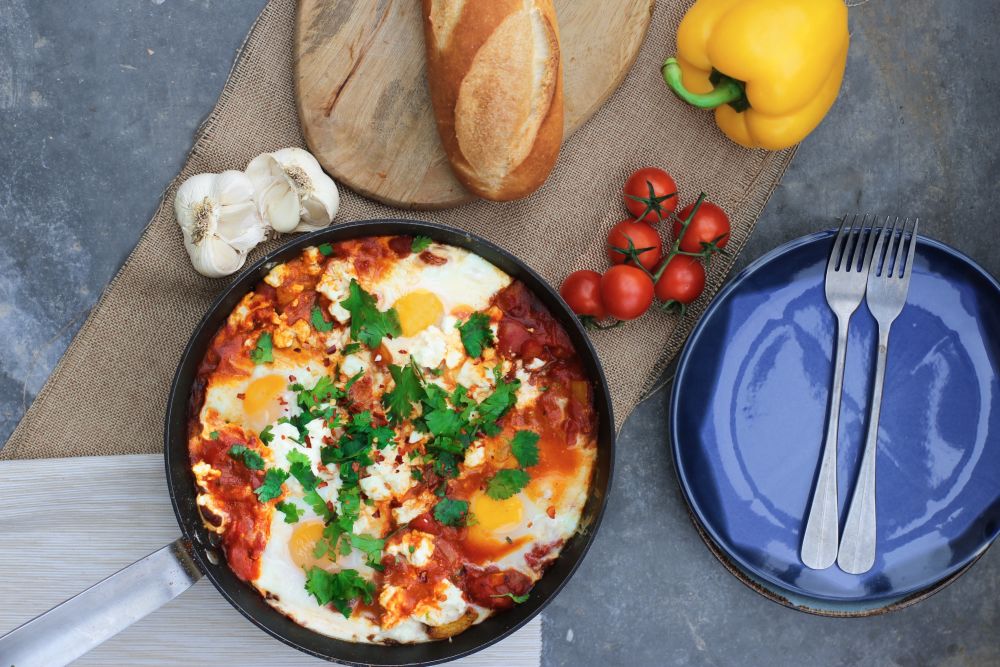
Photo by Sara Dubler on Unsplash
Tel Aviv works well as a base. Day tours go to Jerusalem, to the north of the country and by jeep into the Judean Desert. With a couple of extra days you can go diving in Eilat. Check your government’s current travel advice for Israel before you book any trip outside the city.
We asked people who live in Tel Aviv for their favourite places in the city. These are the ones not already covered above.
Rothschild Boulevard starts about a 10-minute walk from the beach and runs to Habima Square. Its tall trees shade the central walkway on hot days, it has one of the city’s better cycle lanes, and there are good cafés along its length, with pubs towards the western end. Locals treat it as a place to sit and watch the city go by, so find a bench or a patch of grass and do the same. Time Out’s guide to the boulevard has more.
Bialik Square is a small, round plaza that one local described to us as her favourite place in the city. Several cultural spots sit on and around it: Bialik House, the old city hall with its striking architecture, the Reuven Rubin Museum and the Felicja Blumental Music Centre.
Meir Park is a city park with a playground, an outdoor gym and a fenced dog area. The LGBTQ community centre is in a building in the park and has a café on the ground floor. The park sometimes hosts shows and outdoor events. More about Meir Park from Time Out.
The port is covered above, but locals point out one more reason to go: it’s an old working harbour where you can still watch fishermen at work next to the bars and cafés.
No matter when or where you’ll turn to in Tel Aviv you will always find something to do, somewhere to go, and great food to enjoy.
Happy Travels!


We use cookies in order to provide you with the best online experience. By continuing to use our site you are agreeing to our cookies policy.